
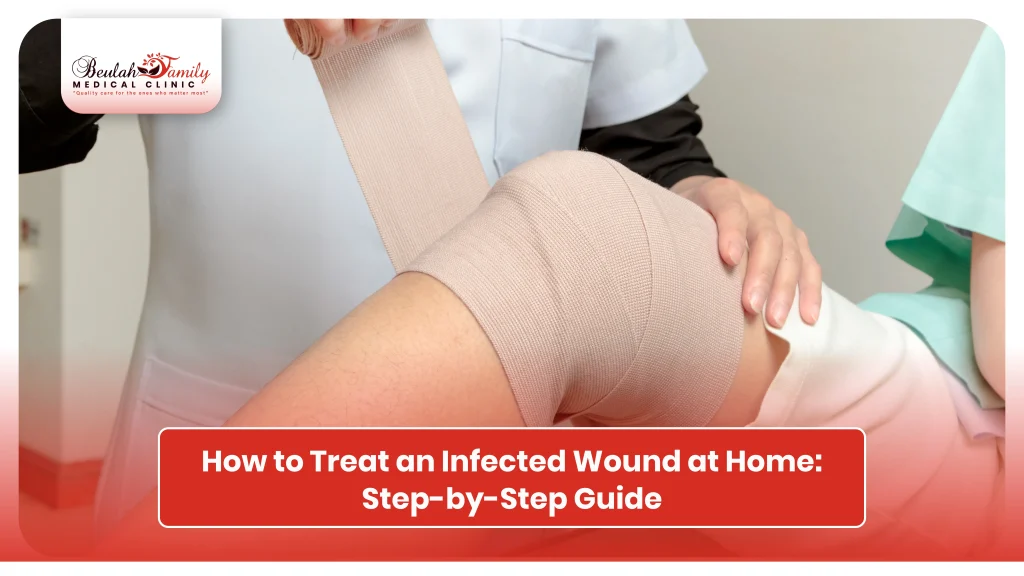
Wound or injury infection occurs after the invasion of bacteria into the skin resulting in irritation, swelling, pain, and pus. It is important to act fast when it comes to infections so as not to have any problems or complications.
In this blog, you will learn how to behave when at home in terms of the treatment procedure. You will be informed about the cases in which self-medication can be applied and when there are indications of going to a hospital.
Signs of an Infected Wound
Finding infection symptoms supports in cultivating healing results and assists in making suitable decisions on wound management. It is always significant to know the differences that exist between infections, particularly when dealing with things like viral vs. bacterial sinus infection.
Redness and Swelling
Redness and swelling are a sign of inflammation brought about by the presence of bacteria within the body, in acquiring knowledge regarding how to treat infected wounds at home. This demands cautious monitoring, appropriate cleaning, and timely intervention to prevent worsening infection.
Pain Worsening Over Time
If you ask yourself how to clean an infected wound, more pain means the infection has developed, meaning the tissue inflammation is more severe because bacteria have infiltrated further into the tissue.
Warmth Around the Area
Understanding the suitable way to dress a wound or how to care for an open wound can help one detect warmth around the wound, demonstrating an increase in blood flow and the body’s response to protect against any infection, necessitating careful cleansing, protection, and observation.
Pus or Unusual Discharge
If one is wondering how do you treat an open wound, then if there are signs of discharge, there is bacteria present, and thus the patient needs to be cleaned immediately to avoid any more contamination of the wound site.
Bad Smell from Wound
In the wound infection treatment home, any foul smell is indicative of bacteria proliferation and decomposition, showing the poor status of the wound and therefore calls for thorough cleaning, use of antiseptics, and frequent dressing changes.
Fever or Chills
When trying to find ways to cure an infected wound, symptoms such as fever and chills indicate the spread of infection throughout the body since the body is battling against a strong bacterial infection. Proper disease management supports control underlying conditions that may slow healing or remedial and worsen wound infections.
Safety Precautions Before Treatment
Accurate protective or safety precautions minimize the possibility of any infections while ensuring that suitable measures have been taken for wound treatment.
Wash Hands Thoroughly
Always wash hands with soap and clean water so that it can remove microbes or germs to prevent further contamination and reduce the risk of further infection when handling infected wounds at home before applying how to treat infected wounds at home.
Use Clean Gloves if Available
As we learn how to clean infected wounds, clean disposable gloves will be used to provide a protective barrier between hands and the wound which will reduce the transfer of bacteria, providing safer and more hygienic care in the whole process of treatment.
Prepare Clean Water, Antiseptic, and Sterile Materials
How to care for an open wound successfully, it is always better to prepare clean water, antiseptic solution, and sterile gauze in advance to have a smooth treatment process, avoid delays, and keep the wound cleaning and dressing process hygienic.
Avoid Touching the Wound Unnecessarily
How do you treat an open wound, do not touch the wound area unnecessarily since this introduces bacteria, exposes the wound to an increased risk of infection, slows down healing and may cause additional tissue damage during the healing process or further inflammation.
How to Clean an Infected Wound at Home
Proper dressing techniques minimize the likelihood of infections and confirm proper healing of the wound.
Rinse Wound Gently
Learning to treat infected wounds at home, a gentle rinse of the wound with clean running water or saline solution to clear the debris and bacteria without damaging the tissue further and making the area more irritated.
Remove Dirt Carefully
As you learn to clean infected wounds, remove apparent dirt with sterilized instruments or clean gauze, but without scrubbing hard which may exacerbate tissue damage, cause pain and spread bacteria into the wound.
Apply Antiseptic Solution
When caring about an open wound, a mild antiseptic solution should be used as it is recommended to minimize the number of bacteria, eliminate further infections, and promote healing without compromising the wound environment and leaving it unprotected.
Pat Dry Gently
Gently pat the open wound using a sterile gauze pad or a clean towel, which will help prevent irritation and reduce moisture build-up, ensuring that the wound is ready for dressing when you dress an open wound.
Applying Antiseptic and Dressing the Wound
The use of antiseptic is one of the strategies used in wound infection management at home since it aids in the reduction of bacterial growth, prevention of the infection progression and wound healing since it keeps the wound area clean and safe against dangerous microorganisms.
In treating the infected wound at home, proper dressing is crucial, with the use of sterile bandages covering the wound, and changing them daily or when wet or dirty to ensure hygiene and a faster and safer healing process.
Home Remedies That May Support Healing
Simple home remedies can aid in the healing process in the context of how to treat a wound infection, when applied with caution in conjunction with good care. The wound should also be kept clean and dry to help avoid the growth of bacteria and slight swelling should be reduced with the help of a warm compress, which promotes blood circulation. Foods with a high concentration of nutrients also aid in repairing the tissue and quick healing, although unproven or harsh components on open wounds should be avoided.
What NOT to Do
When giving home treatment to infected cuts, care must be taken to ensure that dirty water or unsterilized instruments are not used as they bring about harmful bacteria that may further aggravate the infection. Do not pick scabs or squeeze pus, as this will infect more deeply and can take much longer to heal.
Learning how to clean an infected wound, do not expose the wound to dirty environments since this will increase the chances of contamination. Self-medication with potent antibiotics should also be avoided without medical supervision, since its use may result in resistance and complications.
Signs You Need Medical Help Immediately
Some of the symptoms are symbols or signs of intense infection and will need urgent medical care to avoid complications as soon as possible. Consider advanced wound care services to confirm proper healing and infection control, particularly for severe cases.
Redness Spreading Further
In how to treat an infected wound at home, redness or swelling outside the wound area may indicate worsening of infection and it means that bacteria are spreading therefore the home care may no longer be adequate to ensure the wound is safe to recover.
Severe Pain Increasing
In the process of how to clean an infected wound, the severe or spreading pain is a sign of deeper tissue involvement or progressing infection, which needs immediate medical attention since the condition cannot be effectively controlled with home treatment anymore safely.
Pus Increasing Continuously
In the case of how to care for an open wound, pus that is continuously growing upwards indicates that there are active bacterial growth and uncontrolled infection and this is indicative that the wound is not healing well and requires immediate attention by a professional medical practitioner.
Fever or Weakness
How would you treat an open wound, a fever or weakness, would mean that infection has spread throughout the body and needs immediate medical care to avoid severe health complications or additional worsening.
No Healing Progress
At home when there is no improvement in the wound infection treatment, the wound after some days indicates that the wound is not healing well, this may indicate that there are complications or the infection is resistant, and thus, needs to be professionally diagnosed and treated with appropriate medical care immediately.
Prevention Tips for Future Wounds
Suitable wound prevention measures or precautions will lower the risk of any infection and reassure safer and earlier wound recovery. Living with chronic illness can interrupt healing, therefore, making appropriate wound care is essential to avoid complications or problems.
- Wipe all cuts with water and feeble antiseptic solution.
- Apply antiseptic early to avoid bacterial growth and contamination.
- Keep wounds covered with germ-free dressings to evade contamination.
- Good hygiene, clean hands with wound care.
- Do not touch wounds without a reason in order to minimize the exposure to infections.
- Change dressings frequently to ensure that the wounds are clean and dry.
- Early treatment should be sought in case of infection symptoms that are getting worse rapidly.
How Beulah Family Clinic Support Infected Wound
Beulah Family Clinic offers quality service to infected wounds by assessing them properly, sterilizing, and dressing them competently. Their trained personnel guarantee safe wound treatment, infection control, and prompt treatment. They also instruct patients on aftercare, which helps to avoid complications and ensure quick and healthy recovery in a clinical and hygienic setting.
FAQs
How do I know my wound is infected?
Redness, swelling, pain, pus, heat, and fever point to an infected wound requiring attention.
Can I treat an infected wound at home?
Yes, minor cases of infection may be managed using home remedies.
What is the best way to clean an infected wound?
Use clean water or saline, gently remove dirt, and apply mild antiseptic carefully.
When should I see a doctor for a wound infection?
Seek medical help if redness spreads, pain increases, or fever develops quickly.
How can I prevent wound infections?
Clean wounds immediately, use antiseptic early, and keep them properly covered always.